Venue
Kanazawa
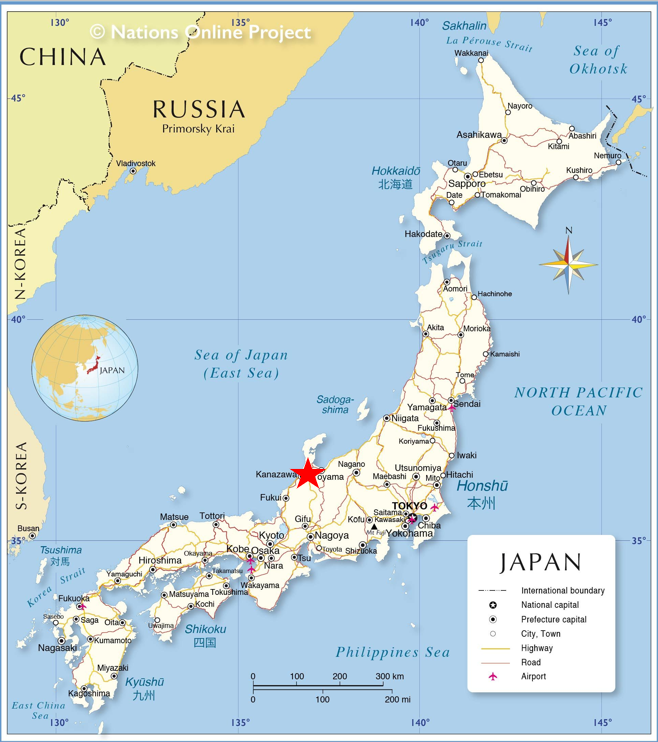
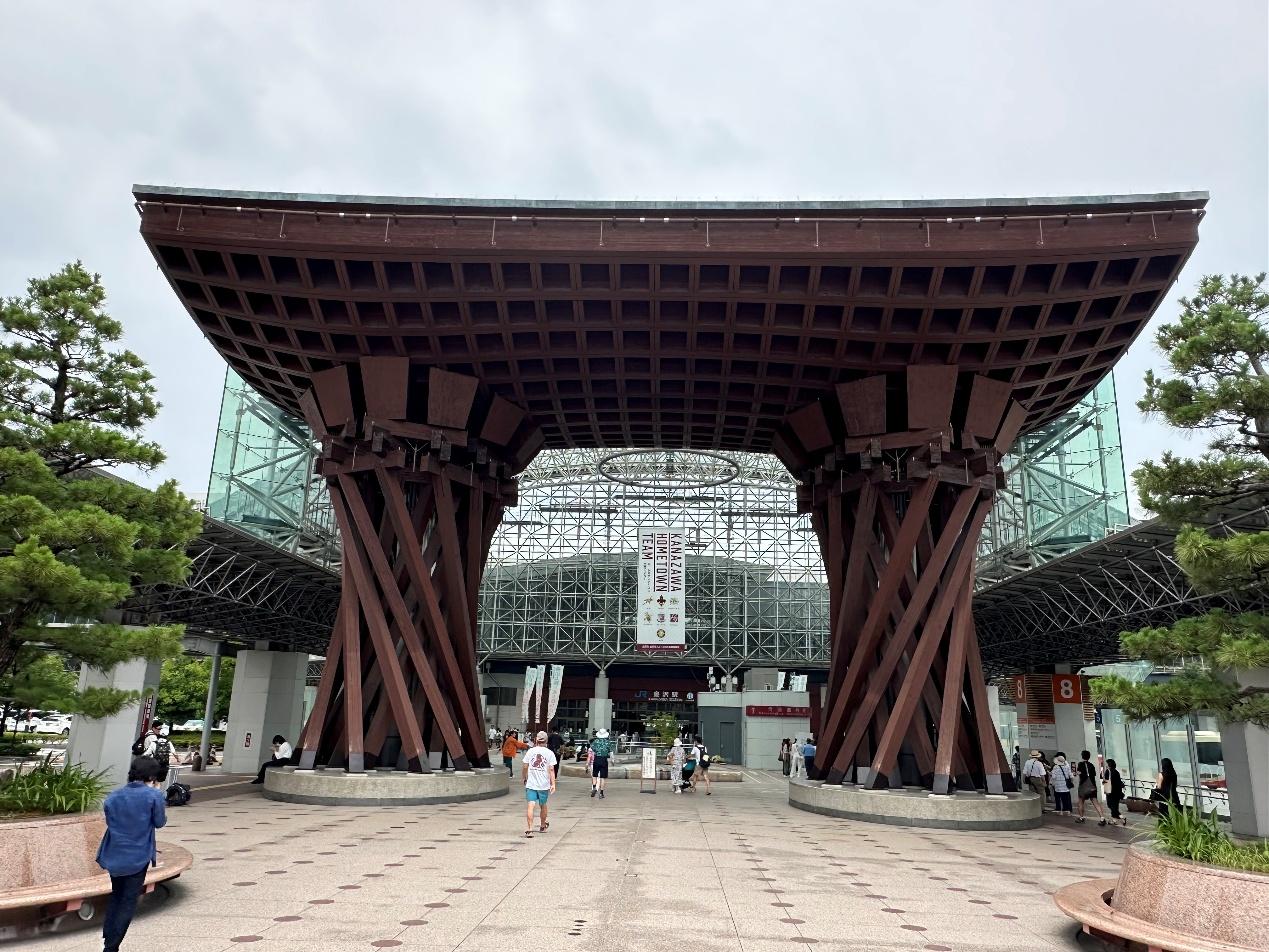
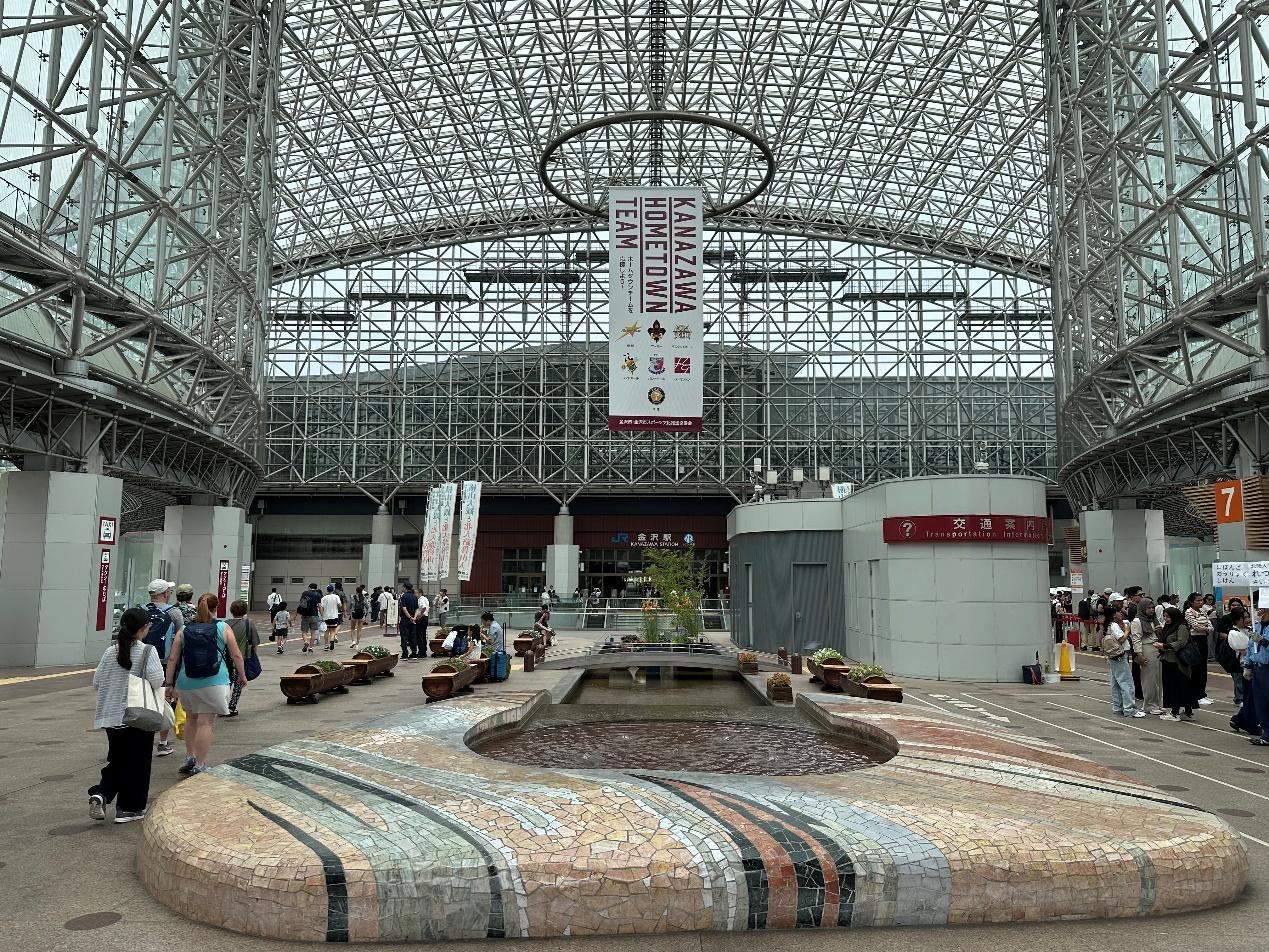
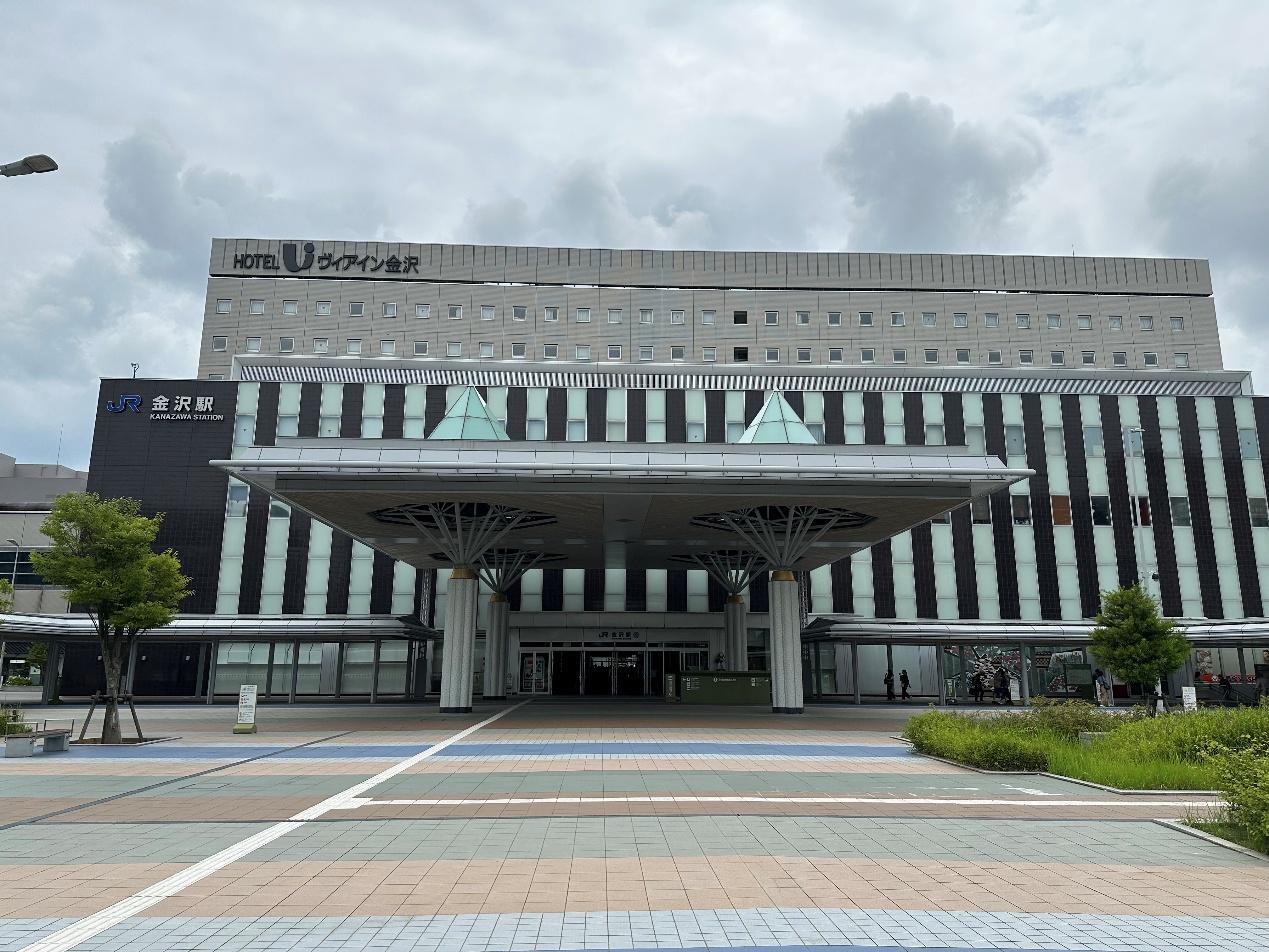
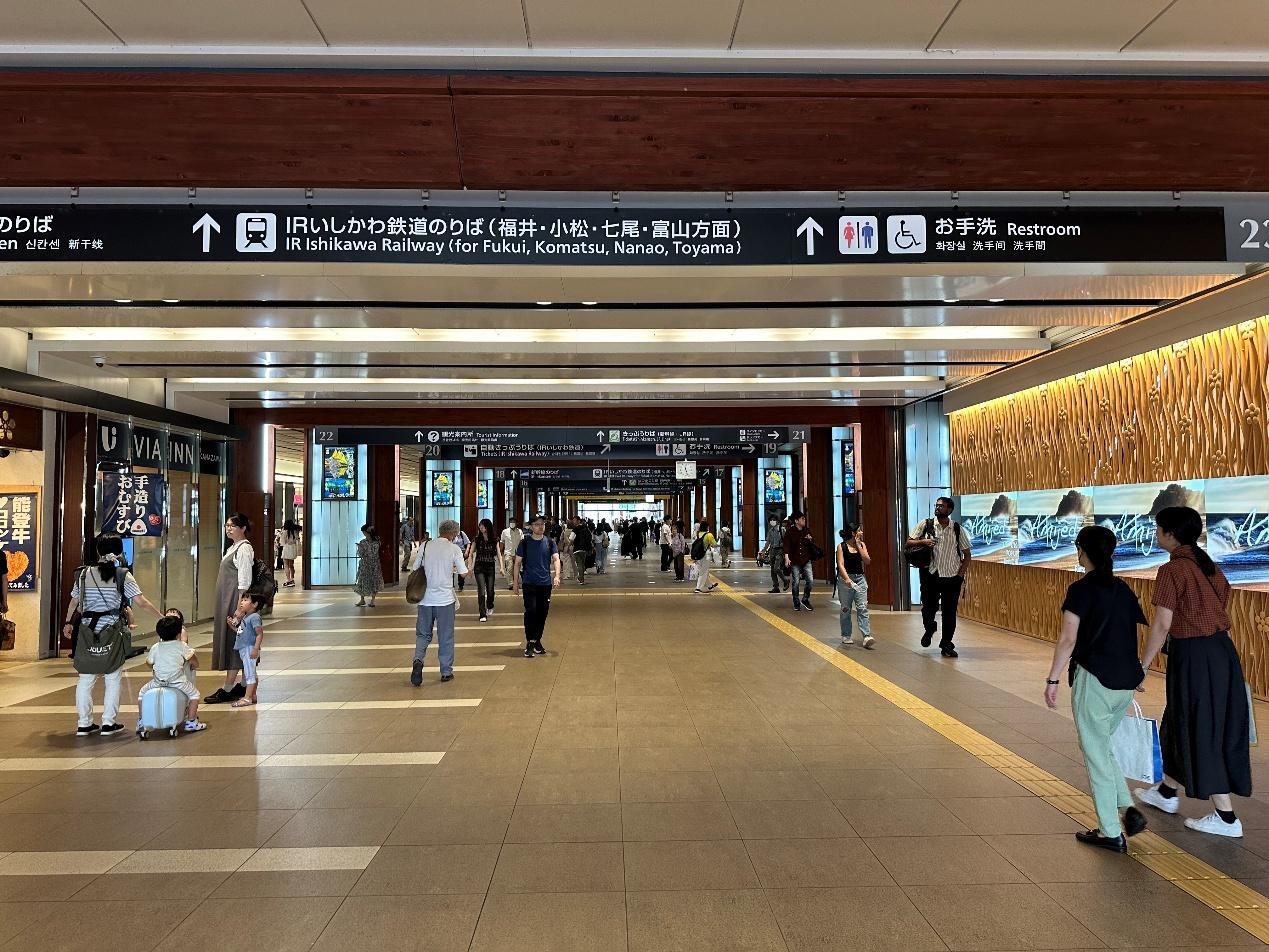
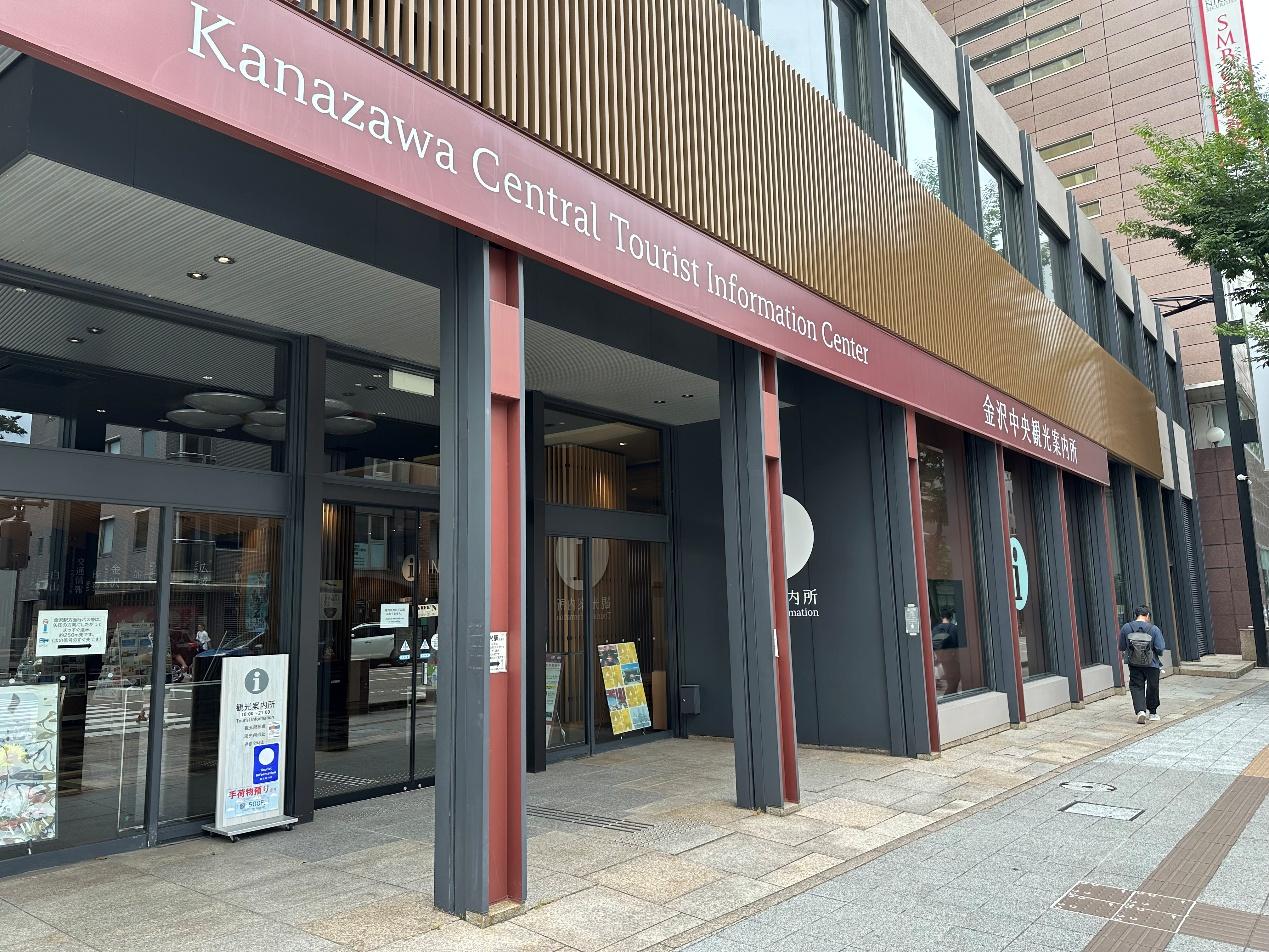
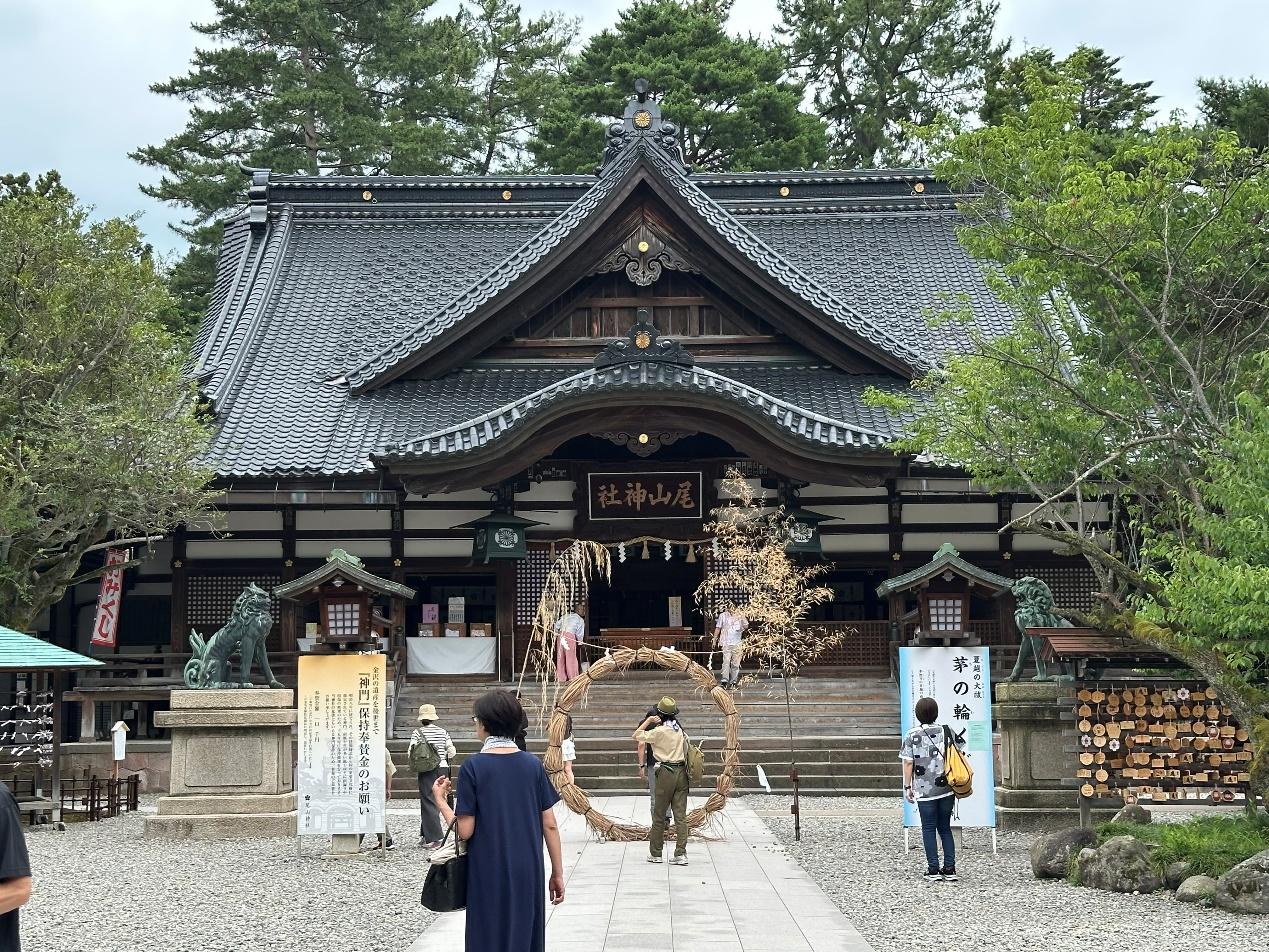
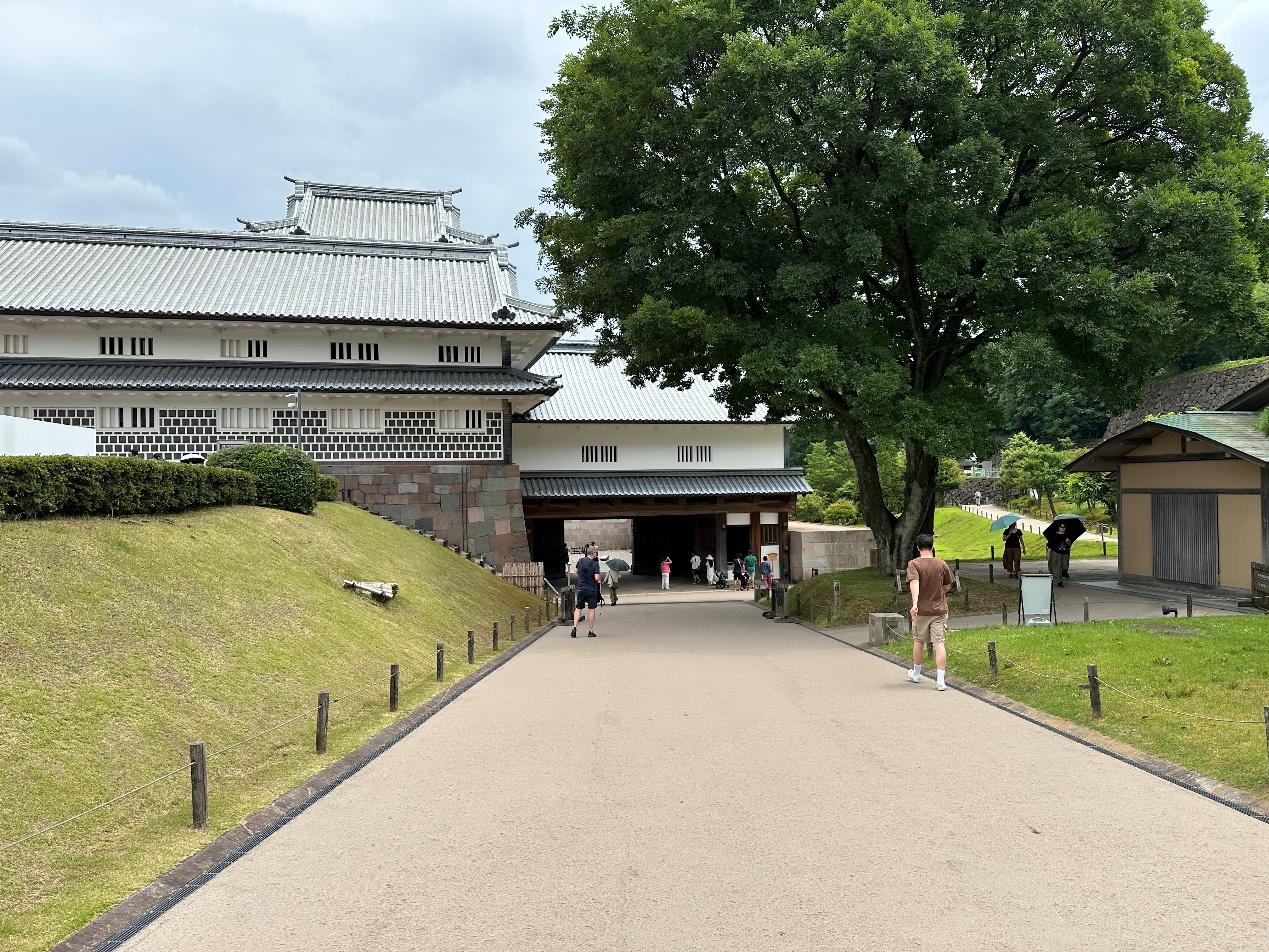
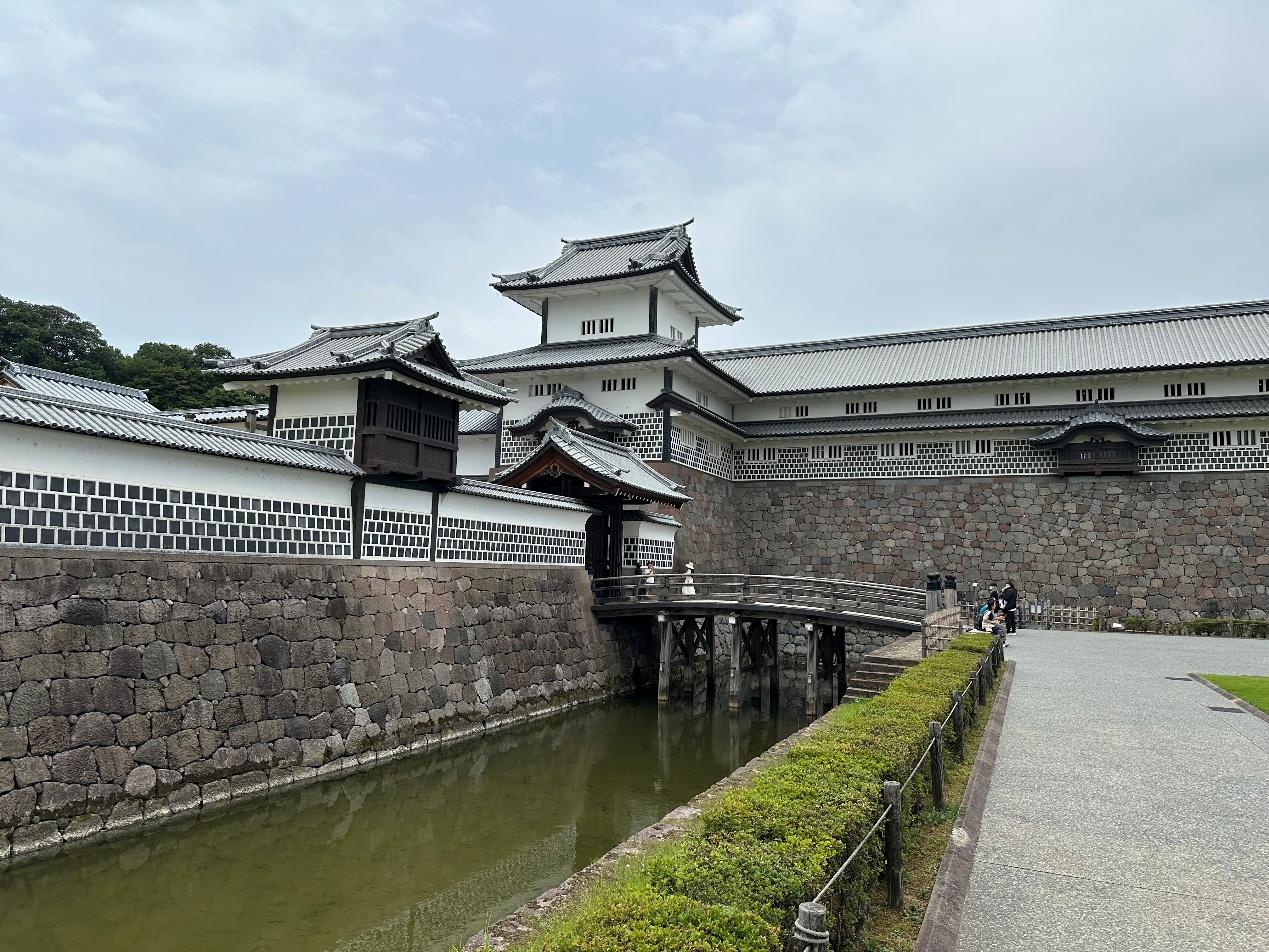
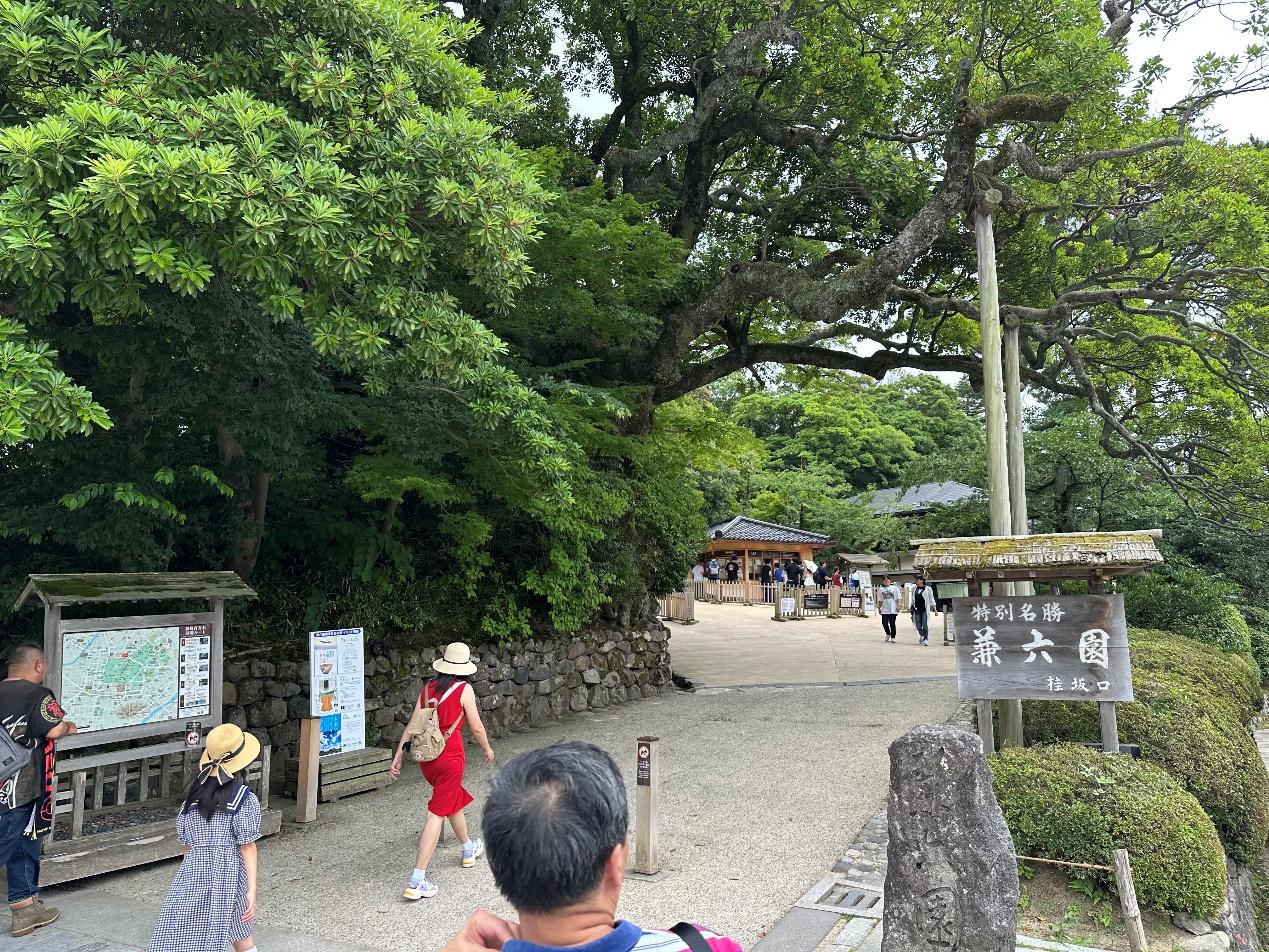
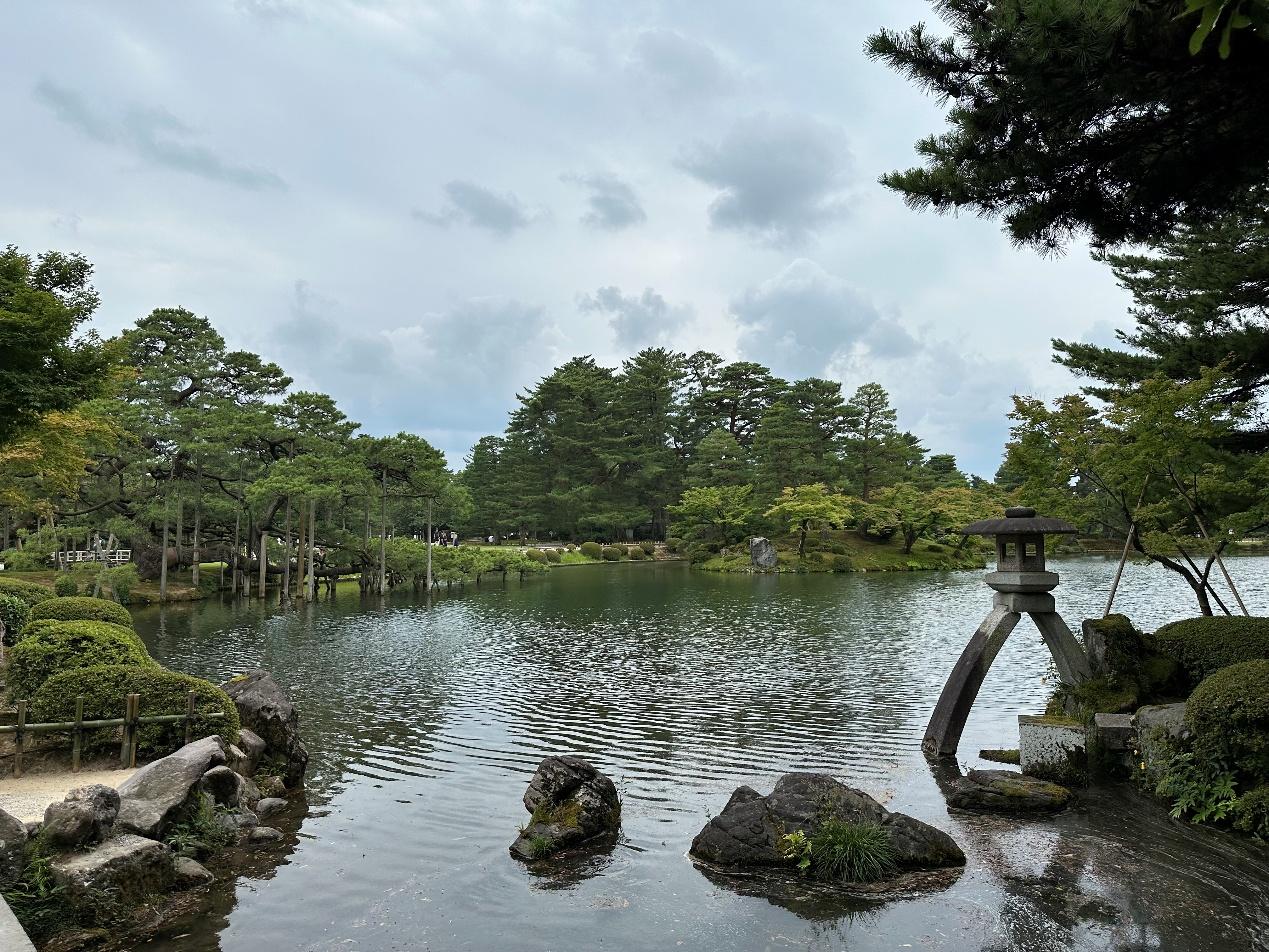
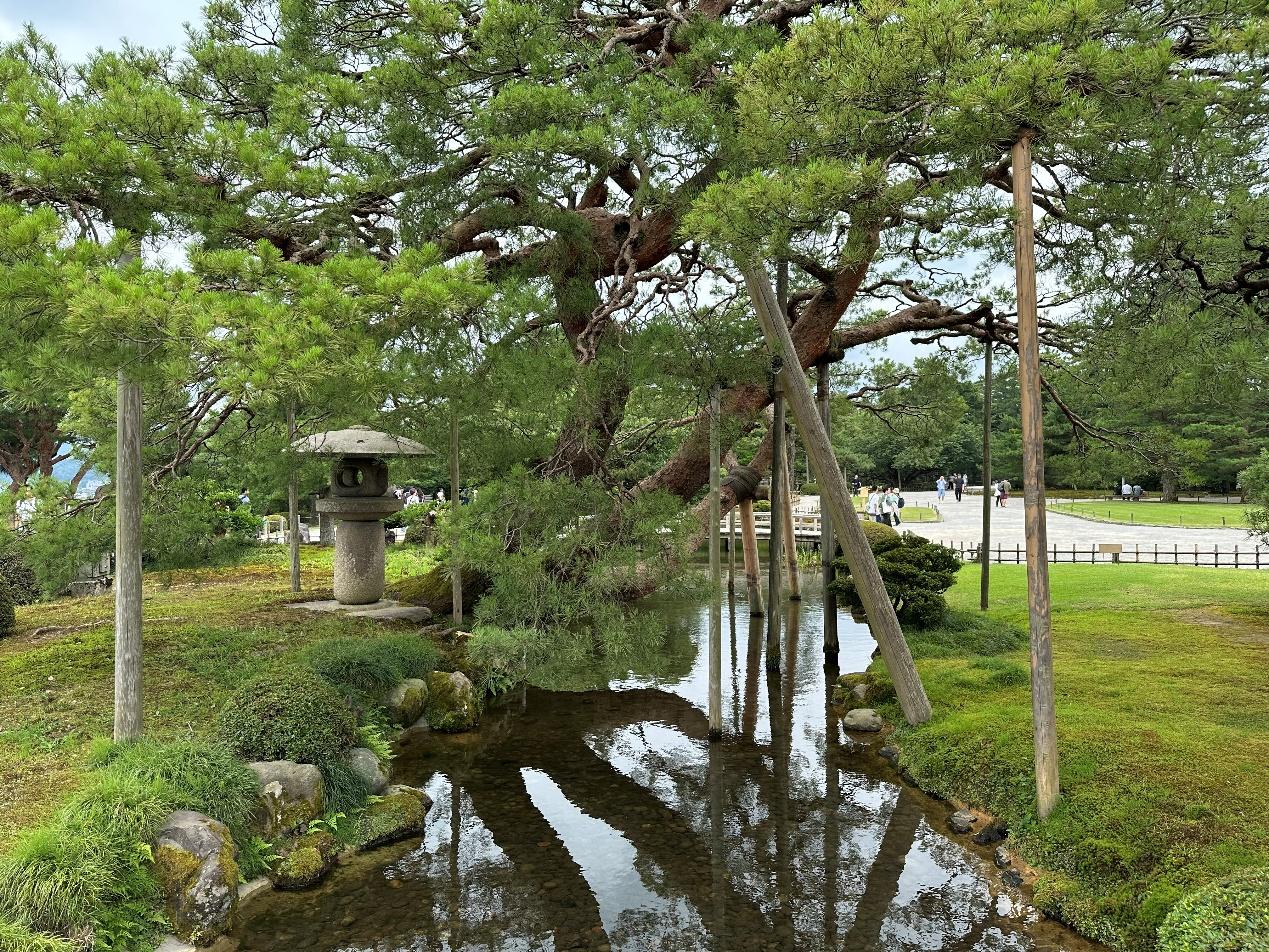
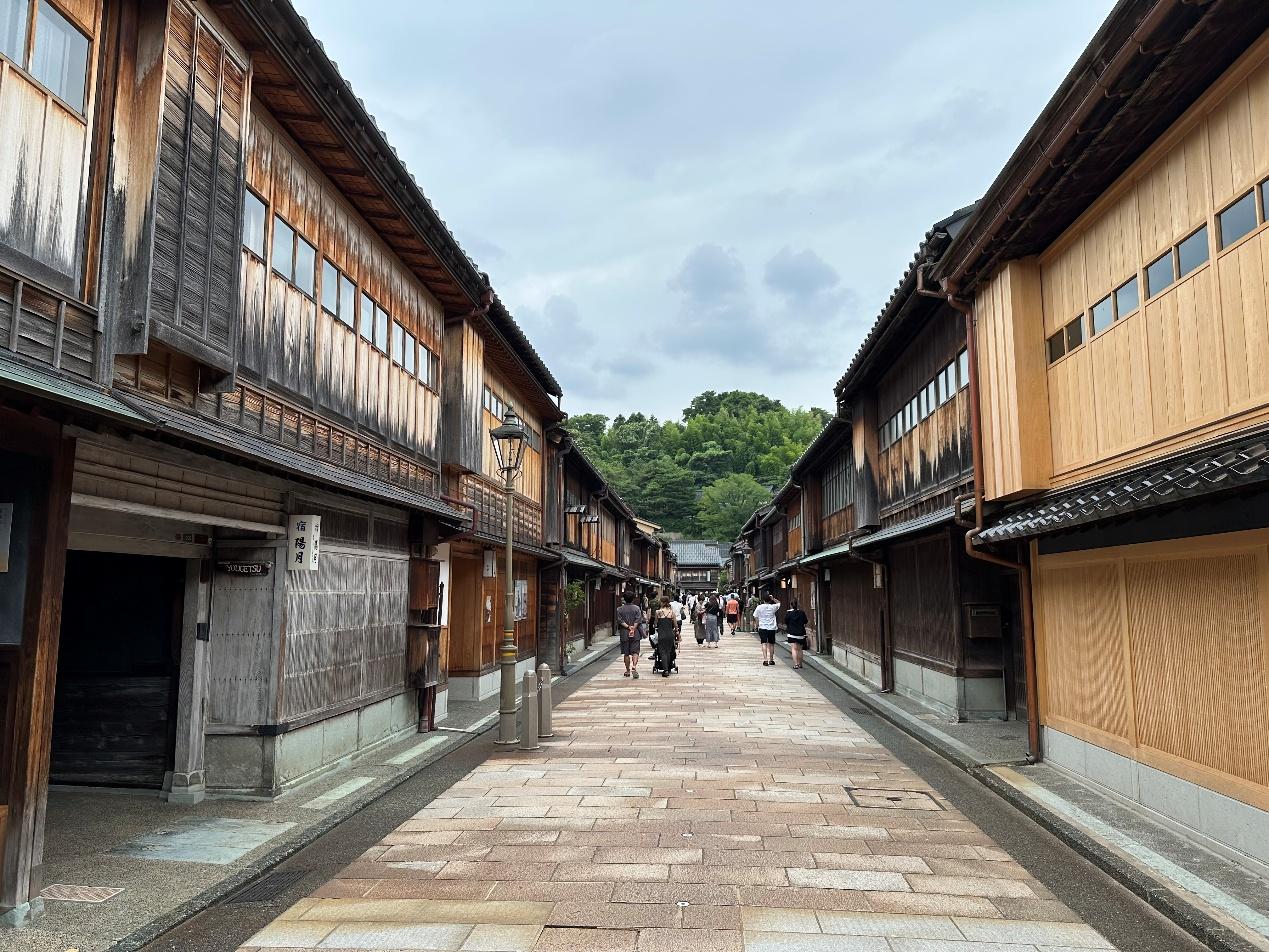
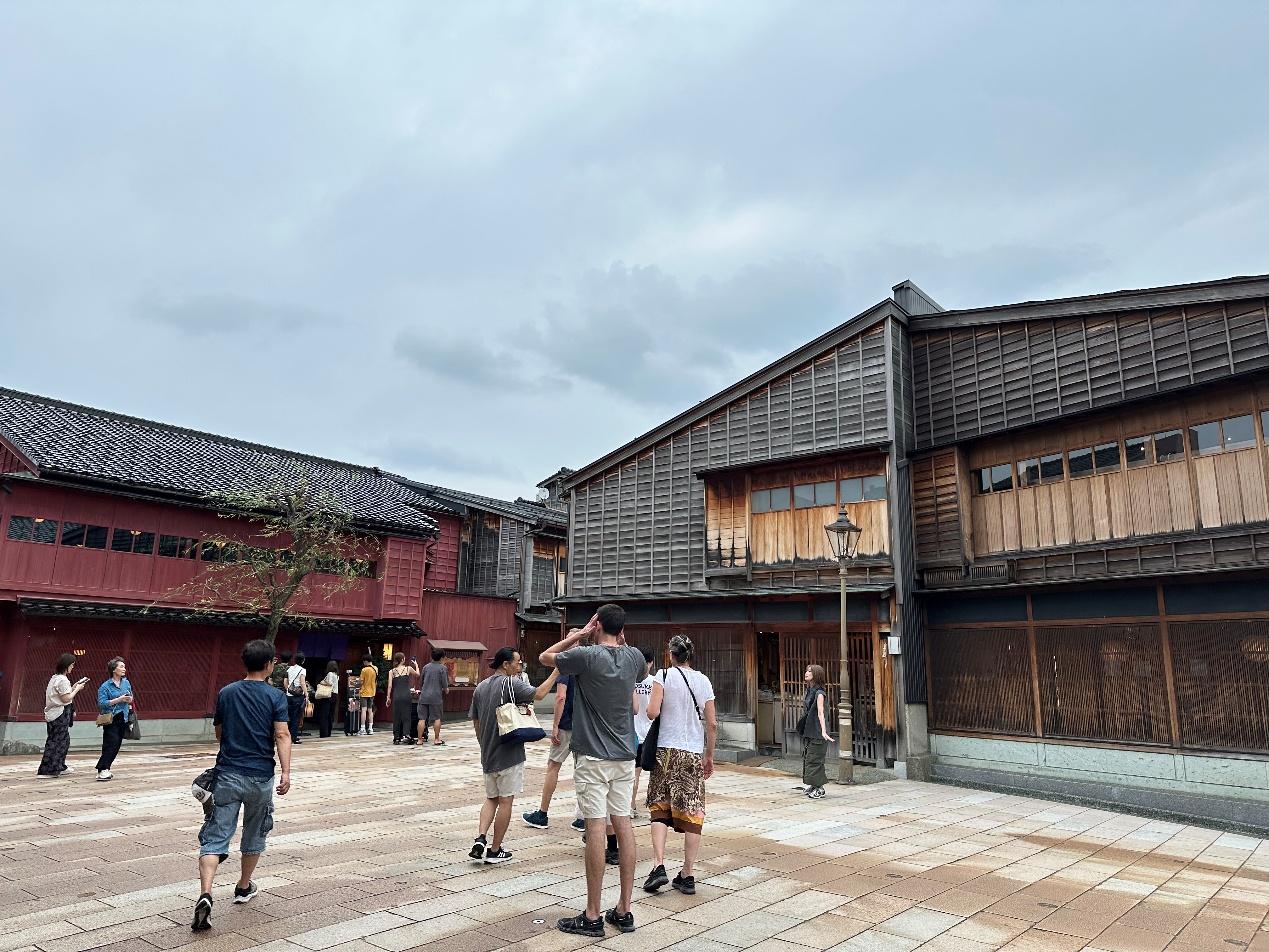
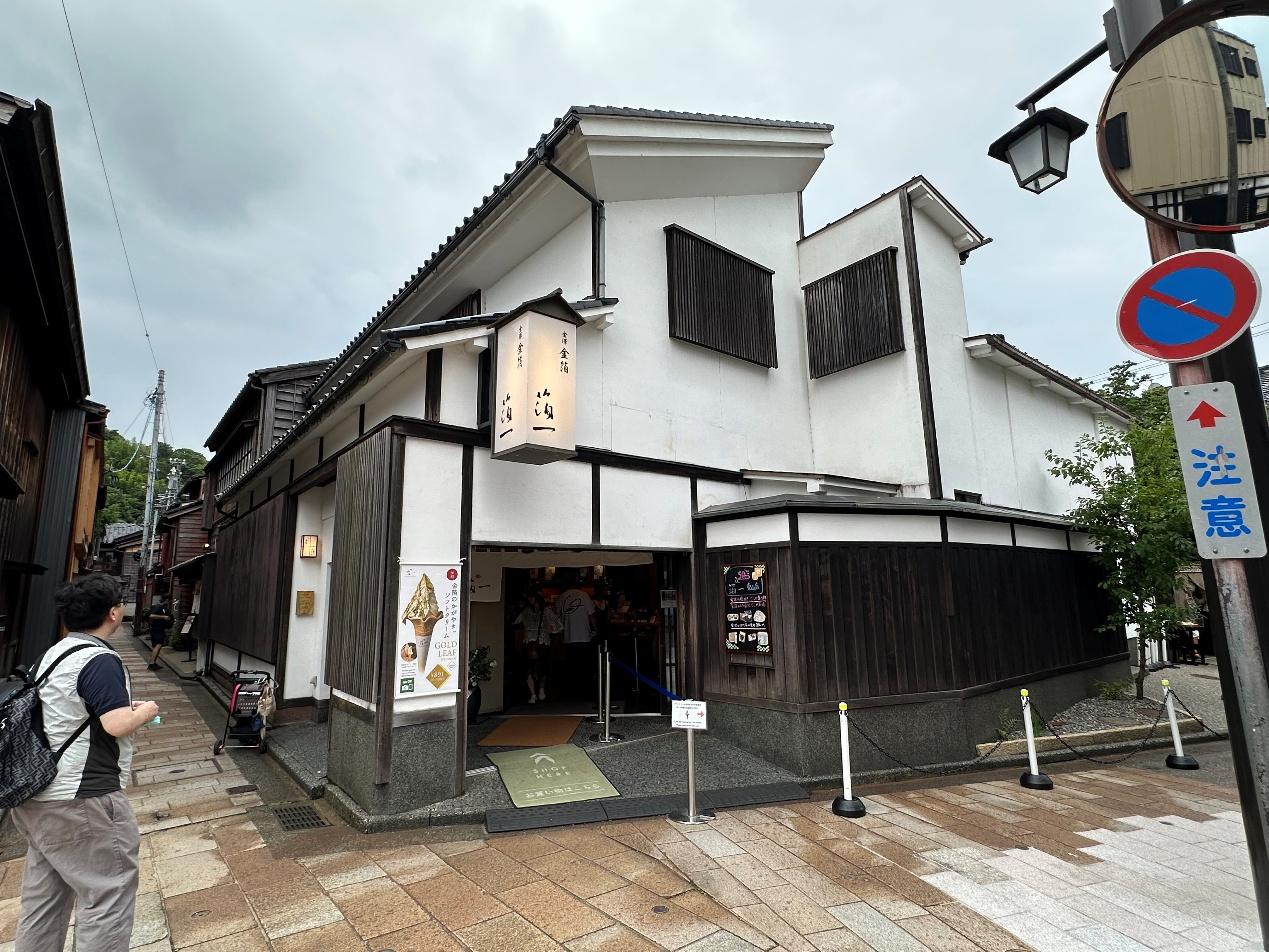
The name "Kanazawa" (金沢, 金澤), meaning "marsh of gold," is believed to originate from the legend of a peasant named Imohori Togoro (literally "Togoro the Potato-Digger"), who discovered gold flakes while digging for potatoes. To honor this story, the well within the grounds of Kenroku-en is called "Kinjo Reitaku" (金城麗澤). Historically, the region now known as Kanazawa was originally called Ishiura, a name still preserved at Ishiura Shrine near Kenroku-en. Additionally, the area surrounding Kanazawa was once part of ancient Kaga Province. Kanazawa is also a dynamic city that seamlessly blends tradition with modernity. As the capital of Ishikawa Prefecture, it has evolved into a thriving cultural and economic hub while preserving its historical charm. The city is known for its cutting-edge architecture, such as the 21st Century Museum of Contemporary Art, and its commitment to innovation in technology and design. With the expansion of the Hokuriku Shinkansen (high speed train), Kanazawa has become more accessible, attracting a growing number of visitors. It also boasts a vibrant culinary scene, fusing traditional Kaga cuisine with modern gastronomy. Kanazawa continues to embrace progress while honoring its rich heritage, making it a unique and forward-thinking destination in Japan.
Conference site
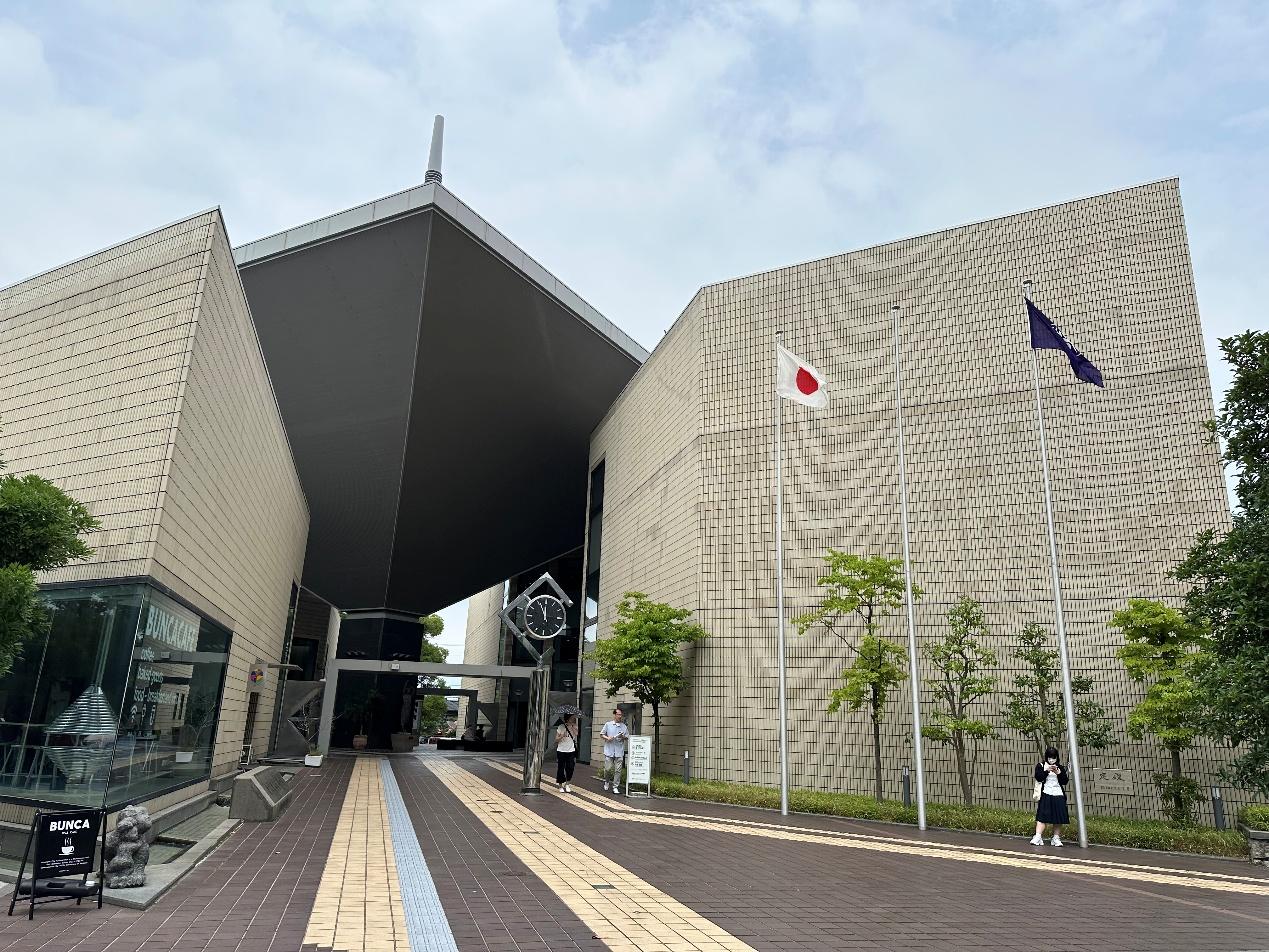
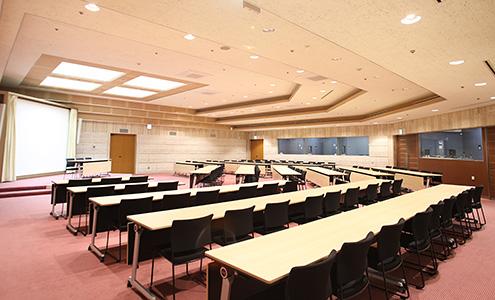
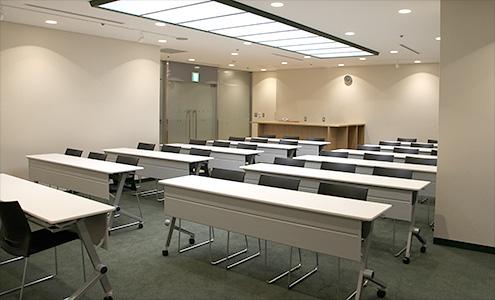
The PESI-2026 conference will be held at Kanazawa Bunka Hall (https://www.bunka-h.gr.jp/), located in downtown Kanazawa, Japan. Kanazawa Bunka Hall is a multi-purpose hall opened on Culture Day of 1982 in commemoration of the 400th year of Kanazawa.
Google Guide Map
- Address: 15-1 Takaokamachi, Kanazawa, Ishikawa, 920-0864, Japan
- Phone Number: +81 76-223-1221